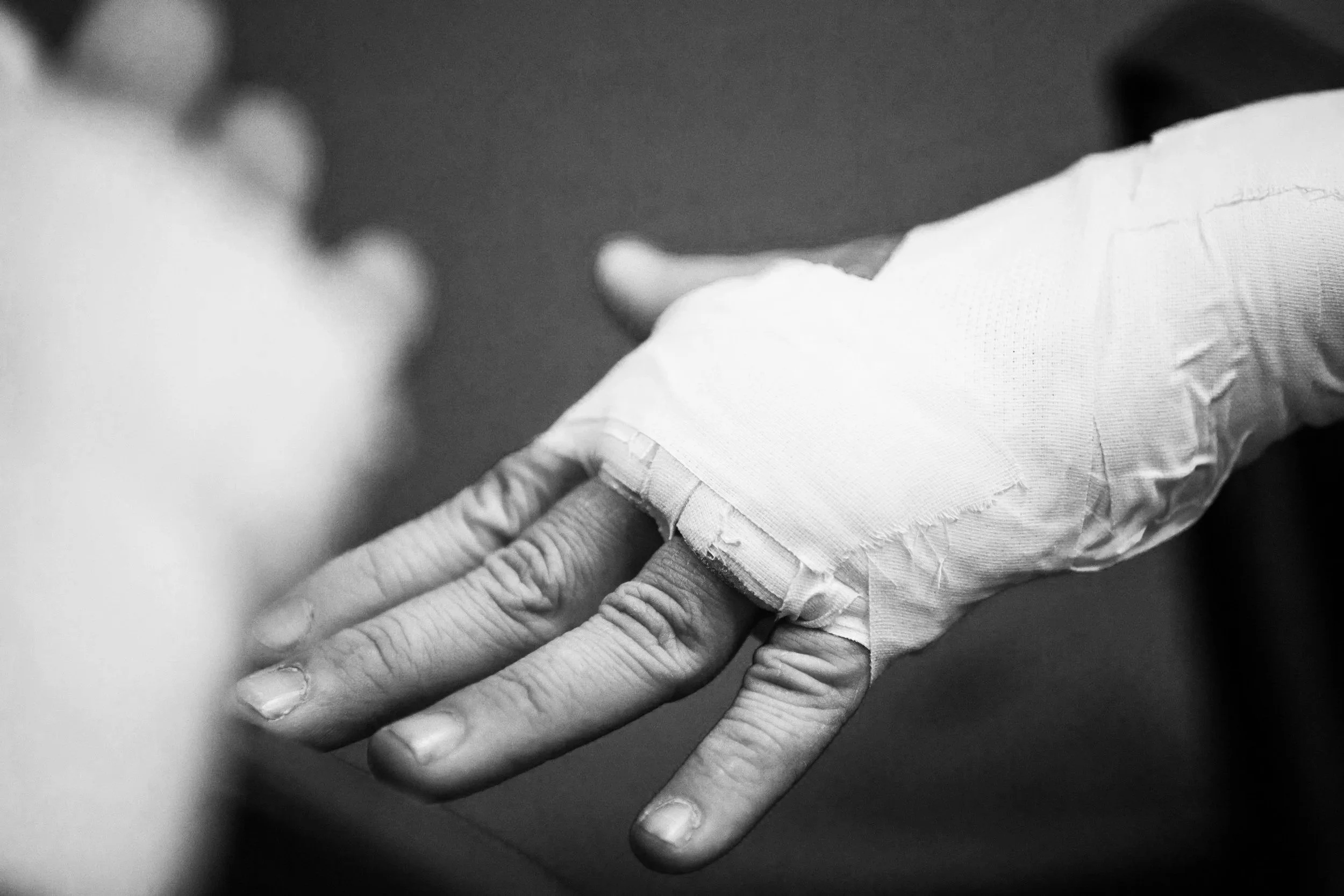
No one hires a personal injury attorney because they were planning to. They hire them because something happened to them outside of their control— a crash, a fall, an injury that changed their daily life. And suddenly they’re dealing with pain, missed work, mounting medical bills, and an insurance company that is not on their side.
And then the questions start:
Do I even need a lawyer? How much is this going to cost me? How long will this drag on? Will they actually fight for me or just take what the insurance company offers and move on?
Those are the right questions. And you deserve straight answers. Let me start by answering a few of these now:
You don’t pay unless we win. Personal injury cases at Etheridge Law PLLC are handled on a contingency fee basis — meaning there is no upfront cost, no hourly billing, and no fee at all if we don't recover anything for you.
You'll know exactly where your case stands. I don't believe in leaving clients in the dark. You’ll hear from me directly, and I'll be honest with you about what your case may be worth, what the path forward looks like, and what to expect at every stage.
I don’t play softball with insurance companies. I spent years at an international firm working on the defense side — which means I know exactly how large corporations evaluate cases, what evidence moves them, and when they’re lowballing you. I build every case as if it's going to trial. Most don’t. But the insurance company knows I'm not bluffing.
Cases We Handle
When someone else’s negligence causes you harm, you may have the right to recover compensation for your medical expenses, lost wages, pain and suffering, and more. Etheridge Law PLLC represents individuals and families across North Carolina in:
Car and Truck Accidents — Crashes caused by distracted, reckless, or impaired drivers, including serious collisions involving commercial trucks and 18-wheelers;
Wrongful Death — When negligence claims a life, we fight to hold the responsible party accountable and recover for the family left behind;
Slip and Fall / Premises Liability — Injuries caused by unsafe conditions on someone else’s property, including wet floors, broken walkways, and negligent security;
Brain and Spinal Cord Injuries — Catastrophic injuries that demand aggressive, long-term advocacy to secure the full compensation you’ll need;
Back and Neck Injuries — From herniated discs to soft tissue damage, these injuries are real even when they’re not visible on the surface;
Gunshot and Negligent Security Injuries — When a property owner’s failure to provide adequate security leads to violent harm.
What Compensation Can You Recover?
North Carolina law allows injury victims to seek compensation for:
Medical expenses (past and future)
Lost income and reduced earning capacity
Pain, suffering, and emotional distress
Permanent disability or disfigurement
Loss of enjoyment of life
NOTE: North Carolina follows a contributory negligence rule — one of the strictest in the country (only 4 states adhere to this draconian law). If you are found to be even partially at fault for the incident, it can affect your ability to recover. This is exactly why having experienced counsel matters from day one. There is still a path forward to recovery, but it is not an easy one, and going it alone is near impossible.
Getting Started
Personal injury consultations are free. There’s no obligation, no hourly charge, and no risk in having a conversation. If you’ve been injured and you’re not sure what your next move should be, that's what the consultation is for. I'll listen, give you my honest assessment, and tell you what I think your options are.