

Dear homeowner,
You’ve paid your premiums diligently. Year after year, increase after increase - even with the rising costs of goods and gas prices, you’ve upheld your end of the bargain. But in your time of need the insurance company finds one way or another to avoid paying you reasonable compensation for your damage. It’s a story as old as time.
But at Etheridge Law PLLC we believe you deserve more.
What kind of damage is covered?
Whether a particular type of damage is covered depends on your homeowner’s insurance policy. At Etheridge Law PLLC we will review your insurance policy to determine if, and to what extent, you may be covered for damage to your home.
-
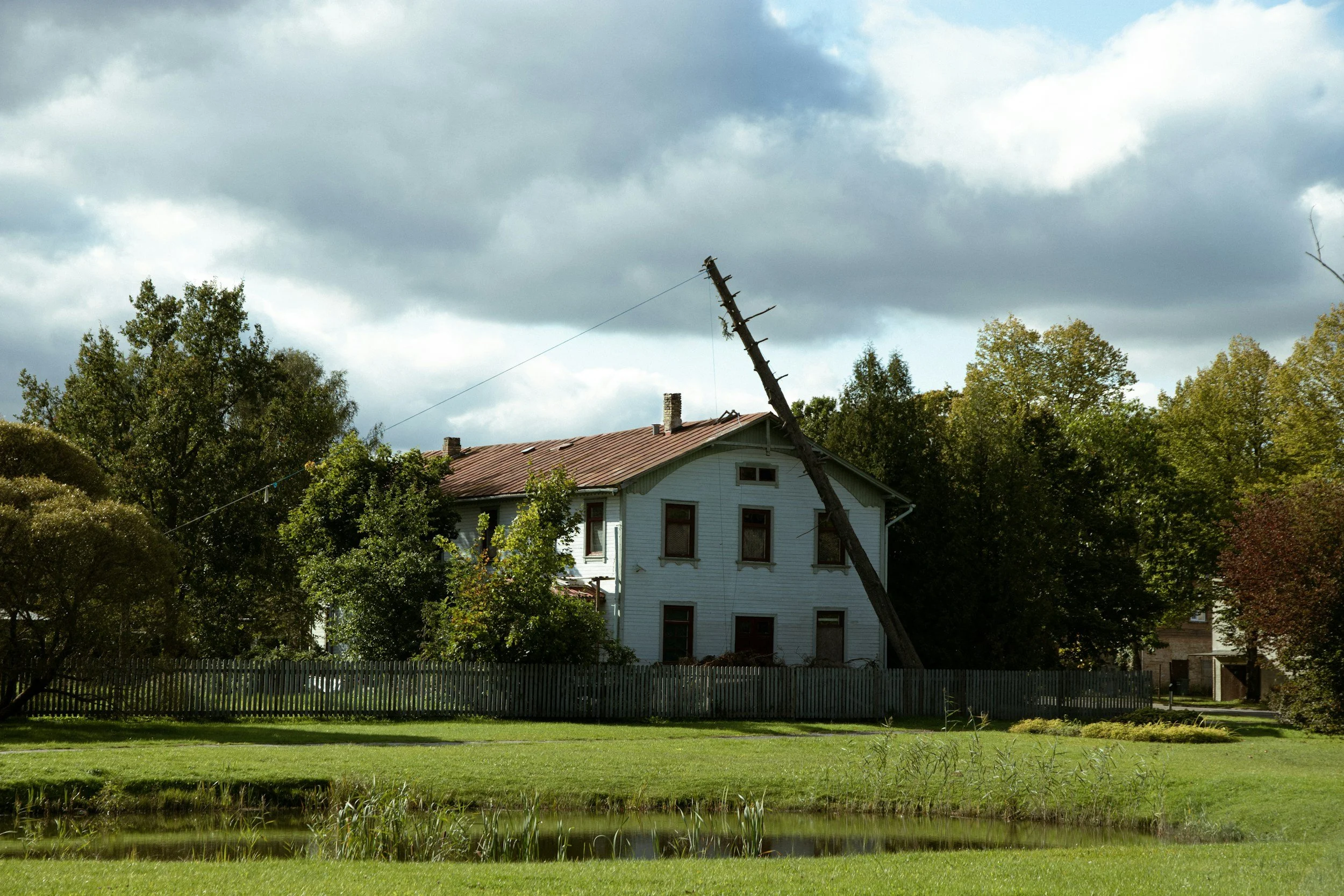
High winds don't have to reach hurricane force to cause serious structural damage. Flying debris, downed trees, and sustained gusts can shatter windows, tear off siding, compromise roof integrity, and rip away gutters and fencing in minutes. Even a storm that passes quickly can leave hidden vulnerabilities in your home's envelope that worsen with every rain that follows. If your insurer is undervaluing your claim or denying covered losses, don't leave money on the table — contact us today before secondary damage drives the cost even higher.
-
A fire doesn't have to consume your home to devastate it. Even a contained kitchen fire can leave smoke residue, soot, and toxic byproducts embedded in walls, ductwork, insulation, and personal property throughout the entire structure. Lingering odors, compromised air quality, and corrosive soot can continue degrading surfaces and systems long after the flames are out. Insurance companies routinely underestimate the true scope of fire losses.
-
A hailstorm can pummel your roof, siding, gutters, and skylights in a matter of minutes, often leaving damage that isn't visible from the ground but is devastating to your home's weatherproofing. Dented shingles and fractured underlayment allow water infiltration that silently breeds rot, mold, and structural decay over time. Insurers frequently dispute the extent of hail damage or blame pre-existing wear — don't accept a lowball assessment. The damage you can't see today may cost you far more than you expect if it goes unaddressed.
-
Mold can take hold within 24 to 48 hours of water exposure and spread rapidly through walls, flooring, and HVAC systems before it ever becomes visible. It is commonly triggered by roof leaks, plumbing failures, storm intrusion, or inadequate drying after prior water damage — and many policies contain mold sublimits that insurers aggressively enforce. Left untreated, mold compromises structural materials, contaminates air quality, and can render portions of your home uninhabitable. If your claim has been denied or capped, contact us — mold remediation costs escalate quickly, and you deserve full coverage for what you're owed.
-
Your roof is your home’s first line of defense, and damage to it — from storms, falling limbs, ice accumulation, or sudden structural failure — opens the door to a cascade of interior problems. Missing shingles, cracked flashing, and punctured membranes allow water to penetrate into attic spaces, insulation, ceilings, and load-bearing elements before you ever notice a stain on the ceiling. Insurers often attribute roof damage to "wear and tear" to avoid paying valid claims. Act quickly — what begins as a localized repair can become a whole-home water intrusion event if your roof isn't properly restored.
-
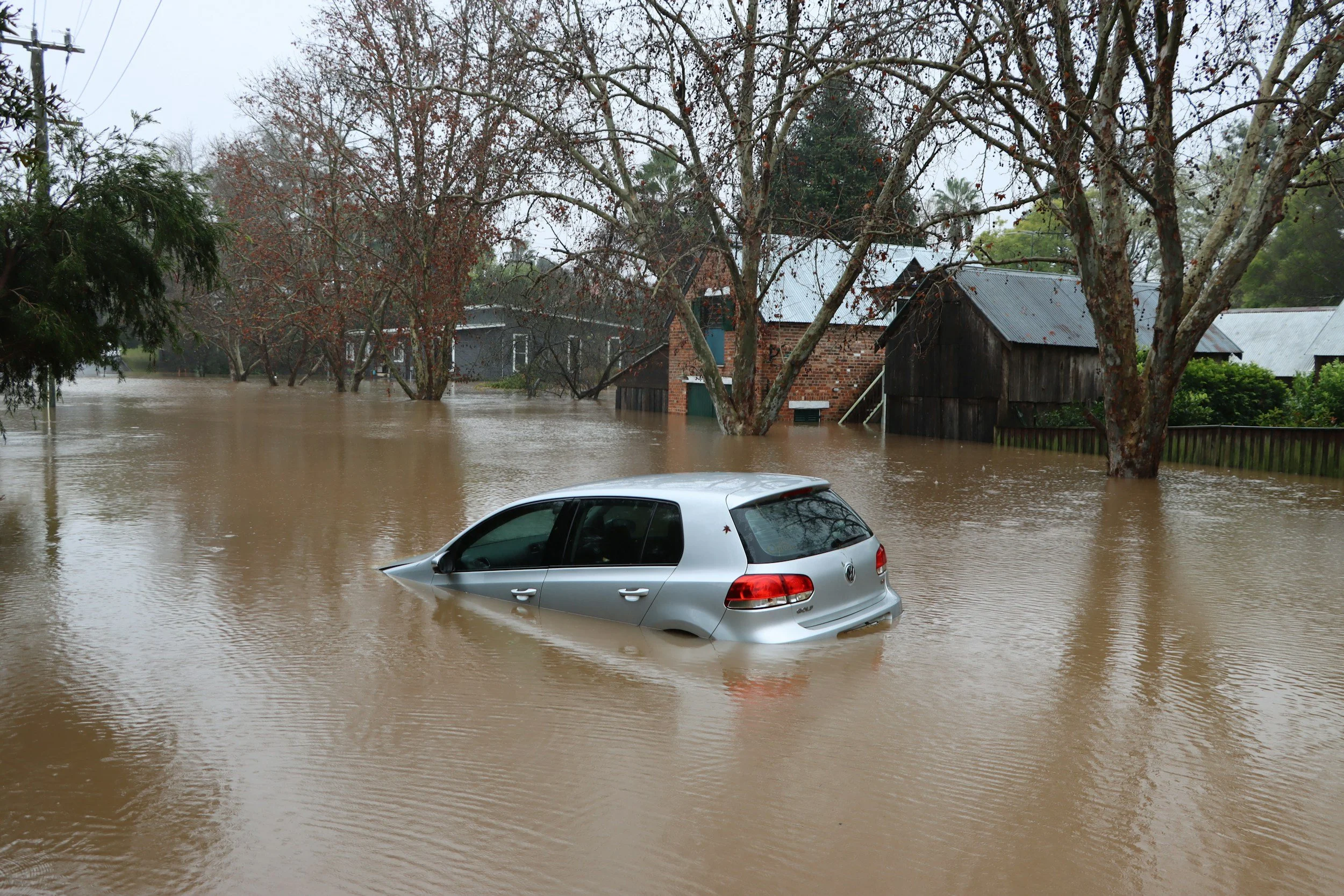
Water damage can originate from storm surge, rising groundwater, burst pipes, appliance failures, sewer backups, or prolonged roof intrusion — and it spreads fast. Within hours, water migrates into subfloors, wall cavities, and structural framing, setting the stage for rot, mold, and compromised foundations. Flood and water claims are among the most contested in the insurance industry, with carriers frequently disputing the source of water or the extent of covered loss. Don't navigate that fight alone — call us today, because delayed remediation doesn't just worsen the damage, it can also complicate your claim.
How Etheridge Law PLLC can help.
Step 1: Initial Consultation
We start with a phone call. We will work to understand the nature of the damage or loss and make an immediate plan based on your needs. Then our North Carolina property insurance lawyers will thoroughly review your policy to determine the coverages, exclusions, and any potential areas of dispute. Step 3: Claim Submission
Step 2: Documentation and Evidence Collection
We will guide you on collecting evidence such as photographs, videos, and any other proof of damage you may have. If required, we may recommend experts or specialists to assess and validate the extent and cause of damage. While an extra step, it may be necessary.
Step 3: Claim Submission
Once the evidence is compiled we draft a claim detailing your loss. We make sure the claim is submitted within the required time frame, in accordance with your insurance policy’s guidelines.